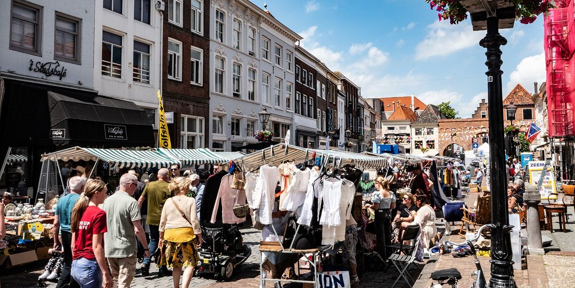


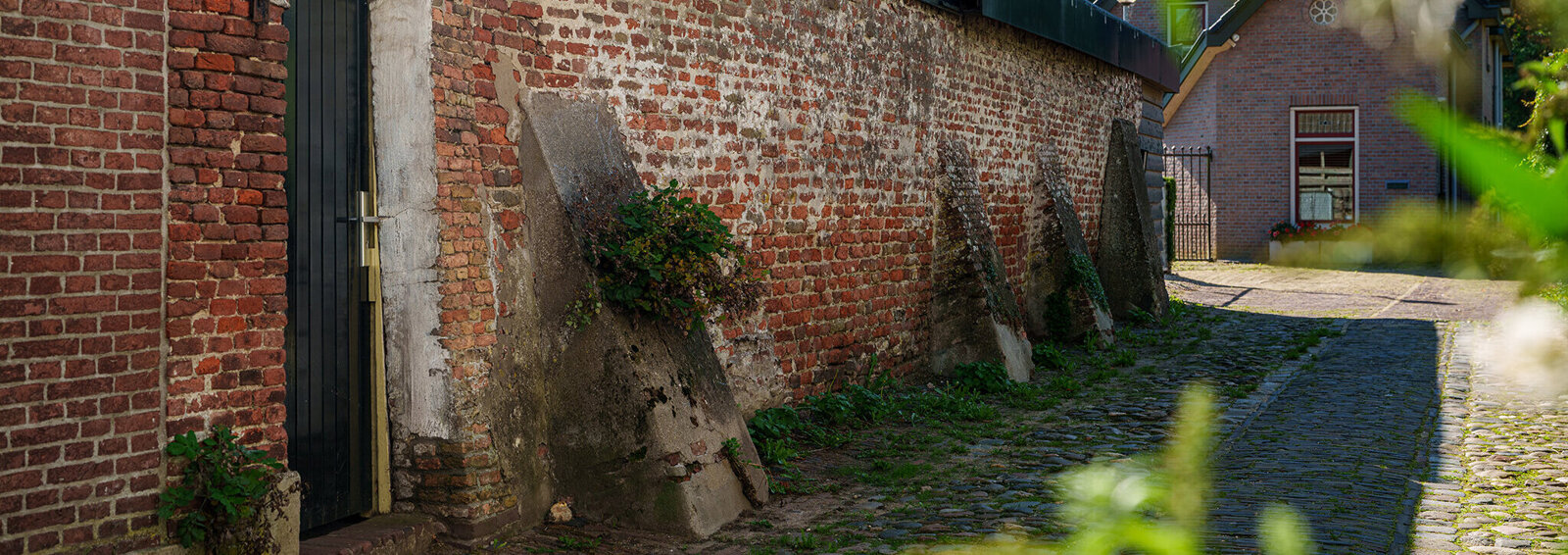
Zaltbommel has been situated for centuries on the banks of the Waal, where Hanseatic ships once moored with precious merchandise. Age-old facades, deep cellars and a walled inner city recall a time of prosperity and entrepreneurship. This is the story of a forgotten Hanseatic city.
The history of Zaltbommel begins long before the Hanseatic era. As early as around 850, the name Bomala or Bomelo appears in historical sources. It is a small settlement on the Waal, strategically located on the trade route between Utrecht and Den Bosch. From the thirteenth century onwards, it steadily grows into a trading post of significance.
In 1315, Zaltbommel receives city rights, modelled on those of Zutphen. Fortifications are constructed, city walls rise and the first outlines of a true Hanseatic city become visible. The Waal is the lifeline: ships bring goods, merchants and prosperity. In 1297, the city receives the addition 'Salt', a reference to the lucrative salt trade that was transported by ship along the river.
On the quay, there is a great bustle of activity. Hanseatic ships moor, porters haul heavy loads ashore. The Bommel karsei, a coarse, felted wool, is a sought-after trade product that is traded far beyond the city. It is well known in Osnabrueck and Kampen. Moreover: from 1375 onwards, Bommel cloth cutters have their own branch in Kampen, a testament to the commercial strength of the city.
But Zaltbommel does not trade only in wool and salt. The city has held minting rights since the year 999 and from 1488 onwards strikes its own stuivers, known colloquially as 'Bommelaars'. Merchant families such as the Trip family made their fortune within the city walls and left an indelible mark on the city. In the fifteenth century, Zaltbommel is a thriving trading city, a fully-fledged link in the network of the Hanseatic League.
Zaltbommel's Hanseatic membership has a remarkable and sometimes contradictory past. Historical documents contradict each other: there is evidence that the city paid dues to Lübeck, the heart of the Hanseatic League, but there are also sources stating that Zaltbommel was not invited to Hanseatic meetings. The relationship with the league was evidently complicated.
In 1874, Zaltbommel makes a formal attempt and officially requests membership. For five years, dues are dutifully paid. But in 1877, a cold shower follows: the application is rejected. The exact reason has never become entirely clear. It must have been a bitter disappointment for a city that felt so strongly connected to the Hanseatic tradition.
Yet Zaltbommel does not give up. The city cherishes its Hanseatic past and keeps it alive in its streetscape and traditions. And then, in 2021, the long-awaited recognition arrives: Zaltbommel is officially included in the register of Hanseatic cities. The city meets all the criteria: the Hanseatic DNA is in the city's genes, the historical setting has been remarkably well preserved, there is active interpretation and there is dynamism.
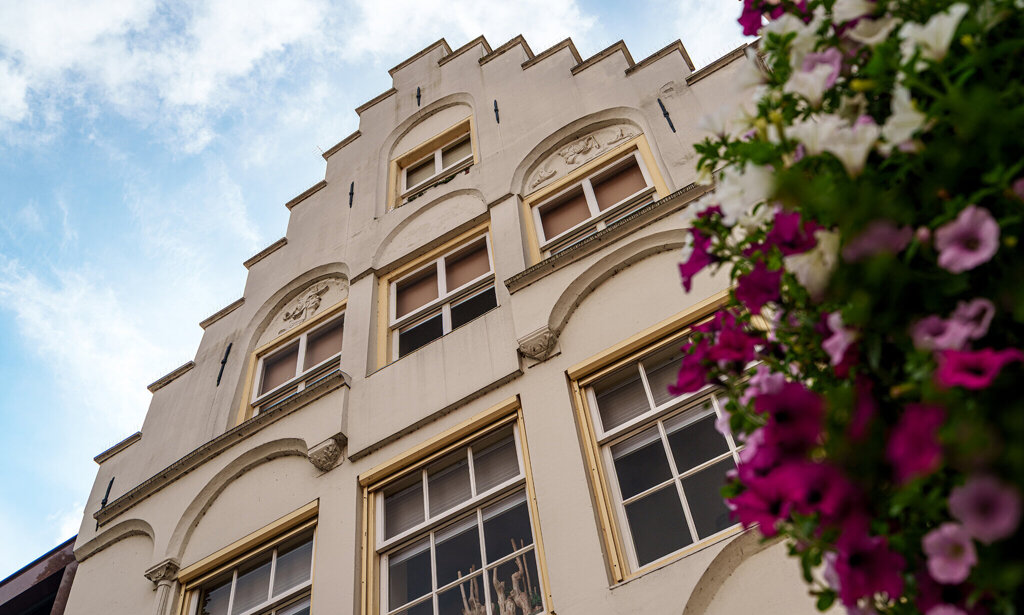
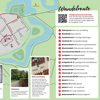
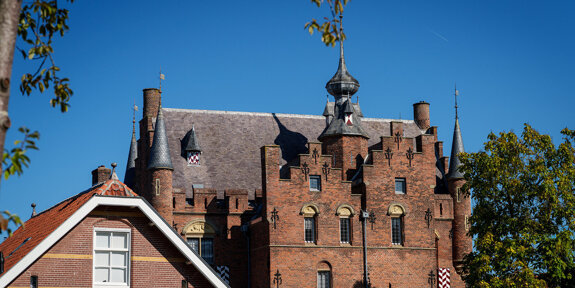
The numbers speak for themselves. More than 31 historical buildings from the Hanseatic era still stand proudly. Four walking routes have been developed, each guided by a historical character who tells the story of the Hanseatic city. From sack carrier to merchant, from miller's wife to alderman — they bring the past to life.
Zaltbommel is more than a Hanseatic city on paper. It is a city where past and present come together in a natural way. Where you do not only read history, but feel it in the stones beneath your feet.