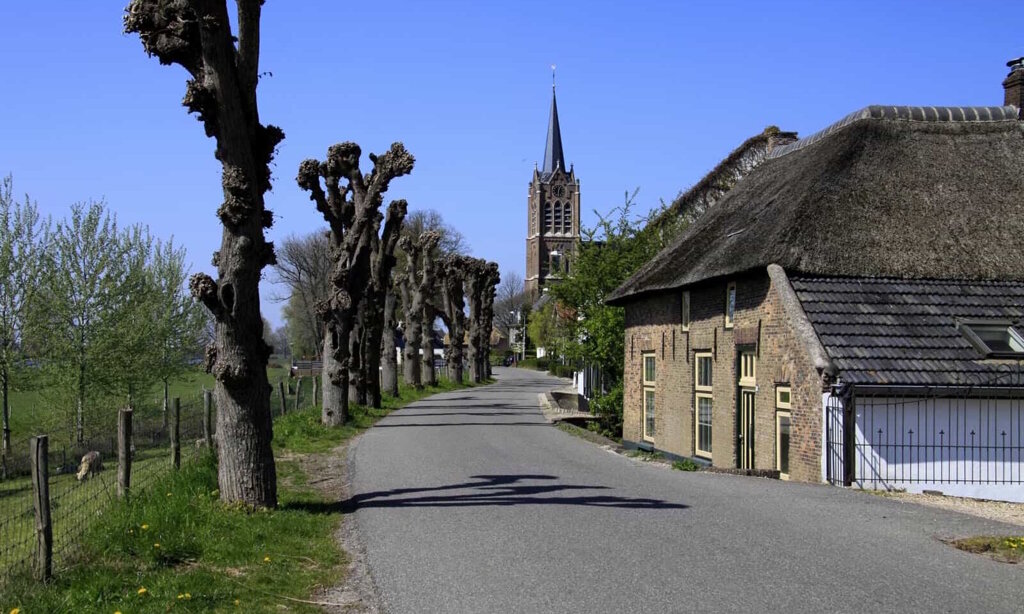
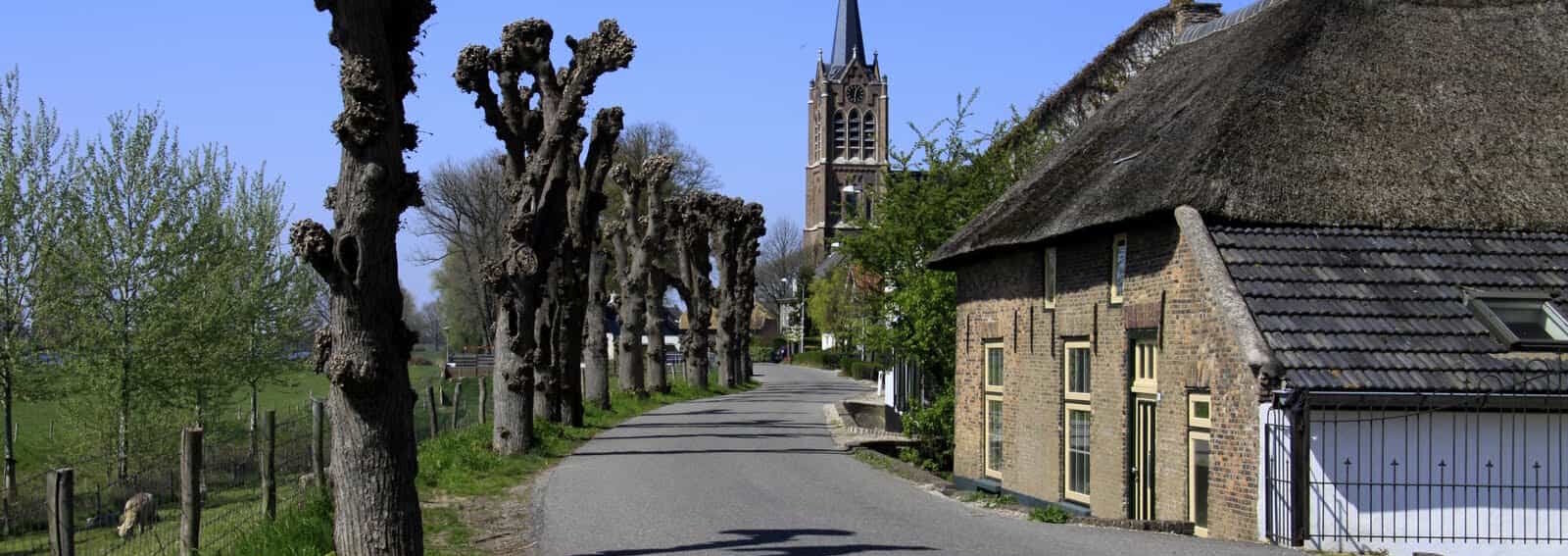
Maasbommel is small. Very small. Around 1550 it was one of the smallest Gelderian towns, with an area of only five hectares. Nijmegen was twelve times larger. And yet: Maasbommel was a Hanseatic city. This was the smallest Hanseatic city in the Netherlands in the Middle Ages. That is not nothing.
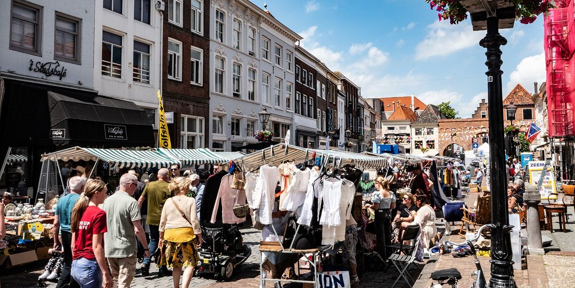
In 1312, Maasbommel receives city rights from Reinoud I, Count of Gelre. Its favourable location in a bend of the Maas makes it possible to develop a harbour of some significance. Maasbommel is therefore also granted the right to hold an annual fair. These markets do their work. They attract merchants from all corners of the world. The counts and later the dukes of Gelre have economic interests in Maasbommel. They have coins minted there and Maasbommel temporarily becomes a minting place.
The Hanseatic League admits the city as a secondary town of Nijmegen into the trading alliance. This occurs in an invitation to Nijmegen as the principal city for a Hanseatic assembly in 1556. In the quarter of Westphalia with Cologne as its principal city, Nijmegen is a principal city with four official secondary towns: Tiel, Zaltbommel, Maasbommel and Gendt.
At that time, Maasbommel was particularly known for its fishery and basket weavers and was also referred to as the Pike City. The wool produced by farmers between the Meuse and Waal rivers went to Nijmegen, as Maasbommel had no cloth hall. That is why the wool went to Nijmegen, where a Gewand- or Cloth Hall had already existed since 1382. The city was also on the international map: it is established that the city attracted Lombards, who set up their tables at the annual fairs to exchange money and lend money at interest.
A large part of what was once written down about Maasbommel has been lost. In 1674, a French army captured the city. Fire broke out and there was looting, leaving little surviving on paper. What did survive proves enough: this was a city that counted.
Two Bommels, one river apart. Zaltbommel lay on the Waal, Maasbommel on the Maas. Both associate towns of Nijmegen, both part of the same quarter within the Hanseatic League. The ships that sailed past one town also called at the other. Trade connected what geography separated.
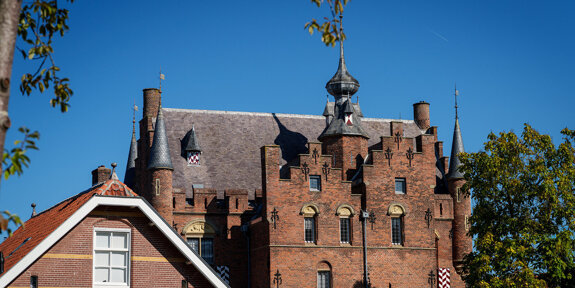
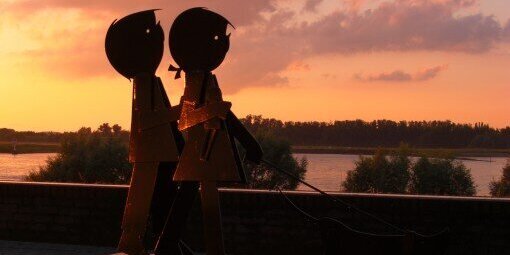
The village is quiet, but the surrounding area certainly is not. De Gouden Ham, the water recreation area between Appeltern and Maasbommel, is a unique area where it is wonderful to spend time both in and around the water. Boat rental, boat trips, campsites and restaurants: you will find it all there. You can walk, swim, fish, sup, hire a boat, water ski and go banana boating. On the dike near the trailer ramp you will find a mural that refers to the Hanseatic past: Maasbommel was known during the Hanseatic period for its basket weaving and this can be seen in this artwork. For those who want to experience the history on foot, a special Hanze route from Nijmegen takes you past the Sint-Lambertuskerk, Stoomgemaal de Tuut and Kasteel Hernen. And just around the corner is Bloemenpark Appeltern, the largest garden inspiration park in the Netherlands. Small village, large area.